
Islamic Geometry: The Eight-Pointed Star
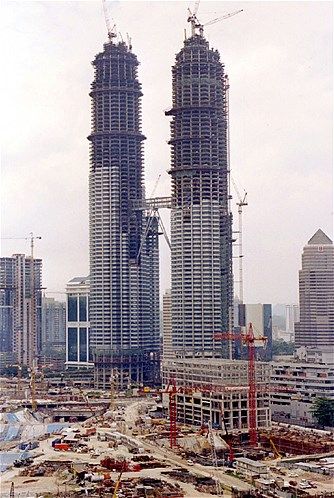
The most distinctive feature of the Petronas Twin Towers' design is the incorporation of Islamic geometric patterns, particularly the eight-pointed star (rub el hizb). This pattern, which appears in the floor plan of both towers, creates a distinctive silhouette that is both modern and deeply rooted in Islamic art and architecture. The geometric complexity of the plan not only provides aesthetic interest but also serves structural purposes, creating a more stable and efficient building form.
The eight-pointed star pattern is created by rotating two squares at 45-degree angles to each other, creating a complex geometric form that has been used in Islamic art for centuries. This pattern appears in traditional Islamic architecture, textiles, and decorative arts, making it a symbol of Islamic cultural heritage. By incorporating this pattern into the towers' design, the architects created a building that honored Malaysia's Islamic identity while expressing a contemporary architectural vision.
The geometric form of the towers creates a distinctive silhouette that changes as one views the building from different angles. From some perspectives, the towers appear as simple rectangles, while from others, the complex geometric form is clearly visible. This dynamic quality adds visual interest to the building and creates a sense of movement and vitality that reflects the energy of modern Kuala Lumpur.
Postmodern Architecture
The Petronas Twin Towers exemplify postmodern architecture, a movement that emerged in the late 20th century as a reaction against the rigid functionalism of modernism. Postmodern architecture allows for the incorporation of historical references, cultural symbols, and decorative elements while maintaining the technical advances of modern construction. The towers' design successfully balances these postmodern principles with the practical requirements of creating a functional office building.
The postmodern approach allowed the architects to break free from the rigid geometric forms of earlier skyscraper designs while avoiding the excesses of pure decoration. The result was a building that felt both timeless and contemporary, both Malaysian and universal. This stylistic choice reflected Malaysia's position as a nation that could successfully blend its traditional values with modern aspirations, creating something entirely new in the process.
The towers' postmodern design incorporates elements of classical architecture, such as the stepped-back form that creates visual interest and helps break up the mass of the building. However, these classical references are reinterpreted through a contemporary lens, creating a design that feels both familiar and innovative. This approach to design has influenced numerous subsequent projects, demonstrating the towers' impact on architectural practice.
Materials and Facade Technology
The facade of the Petronas Twin Towers is clad in stainless steel and glass, materials that reflect the towers' modern character while providing durability and weather resistance. The stainless steel panels create a shimmering effect that changes with the light and weather conditions, giving the towers a dynamic quality that enhances their visual impact. The glass provides transparency and lightness, creating a sense of openness and connection to the surrounding city.
The facade system was carefully designed to accommodate the towers' movement in the wind while maintaining weathertightness and visual quality. The system incorporates expansion joints and flexible connections that allow the facade to move with the building structure without compromising its performance. This attention to detail in the facade design was essential to ensuring the long-term performance and appearance of the towers.
The materials used in the towers' construction were selected not just for their aesthetic qualities but also for their performance characteristics. The stainless steel provides excellent corrosion resistance in the tropical climate, while the glass system provides thermal performance and solar control. These material choices demonstrate the architects' and engineers' attention to both aesthetic and practical considerations in the design process.
Interior Design and Space Planning
The interior design of the Petronas Twin Towers reflects the same attention to quality and detail evident in the exterior design. The lobbies and public spaces incorporate materials and finishes that complement the building's architectural character while providing a welcoming and functional environment for occupants and visitors. The interior design successfully balances aesthetic considerations with practical requirements for office space.
The floor plans of the towers are designed to maximize usable space while accommodating the complex geometric form. The eight-pointed star pattern creates interesting corner offices and varied floor layouts that provide visual interest and flexibility for tenants. This approach to space planning demonstrates the architects' ability to create functional office space within a distinctive architectural form.
The interior finishes and materials were selected to provide durability and maintainability while creating an environment that reflects the quality and prestige of the building. The attention to detail in the interior design helps create a cohesive architectural experience that extends from the building's exterior through its interior spaces, demonstrating the comprehensive nature of the design approach.
Integration of Design Elements
The success of the Petronas Twin Towers' design lies in the successful integration of its various design elements. The Islamic geometric patterns, postmodern architectural style, modern materials, and functional space planning all work together to create a cohesive and compelling architectural statement. This integration required careful coordination between architects, engineers, and consultants throughout the design process.
The design successfully balances multiple objectives: creating a building that honors Malaysia's cultural heritage while expressing a forward-looking vision, providing functional office space while achieving architectural distinction, and using modern materials and technologies while incorporating traditional design elements. This ability to balance seemingly contradictory objectives is one of the hallmarks of great architecture.
The Petronas Twin Towers' design has had a lasting impact on architecture, demonstrating that it is possible to create buildings that are both culturally sensitive and internationally recognized. The towers' success has inspired architects around the world to consider cultural context more carefully in their designs, leading to a greater appreciation for the role of architecture in expressing cultural identity while achieving technical excellence.